Why Is Your Jaw Hurting?
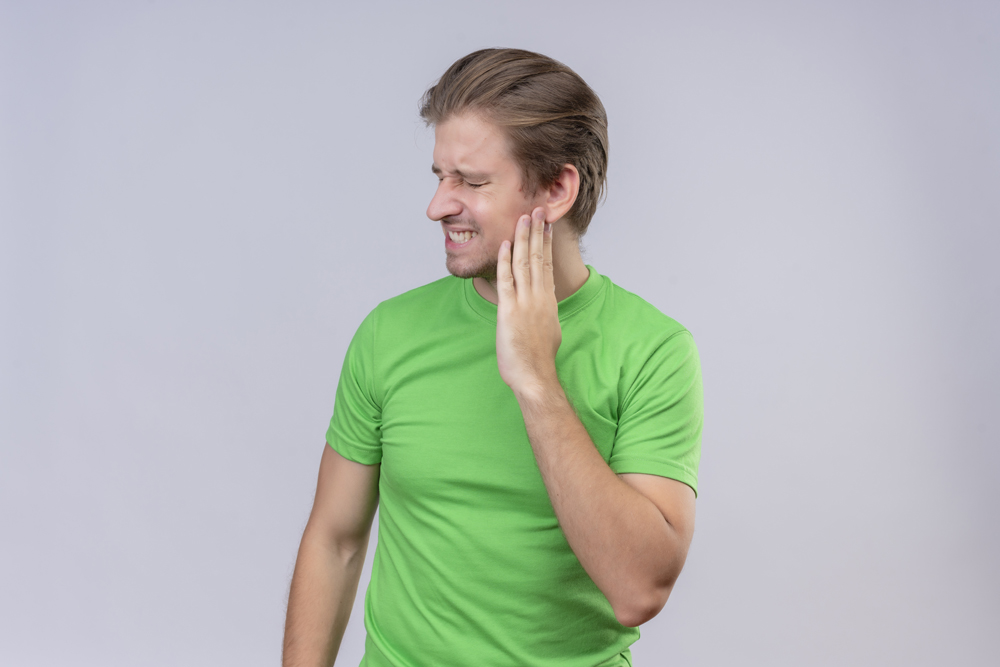
Your temporomandibular joints (TMJs) connect your jawbone to your skull and work with surrounding muscles and tissues every time you chew, speak, or open your mouth. When the joint or these supporting structures aren't moving properly, you may experience pain, stiffness, clicking, popping, or difficulty moving your jaw.
TMJ symptoms can develop for different reasons, including muscle tension, changes in how the jaw moves, arthritis, trauma, or other problems affecting the joint. The discomfort may stay around your jaw, or you may also notice headaches, facial pain, or neck discomfort.

How We Approach TMJ
TMJ symptoms aren't always isolated to the jaw. Your jaw, neck, posture, and surrounding muscles work together, so understanding how they interact can help identify what's contributing to your discomfort.
Looking Beyond the Jaw
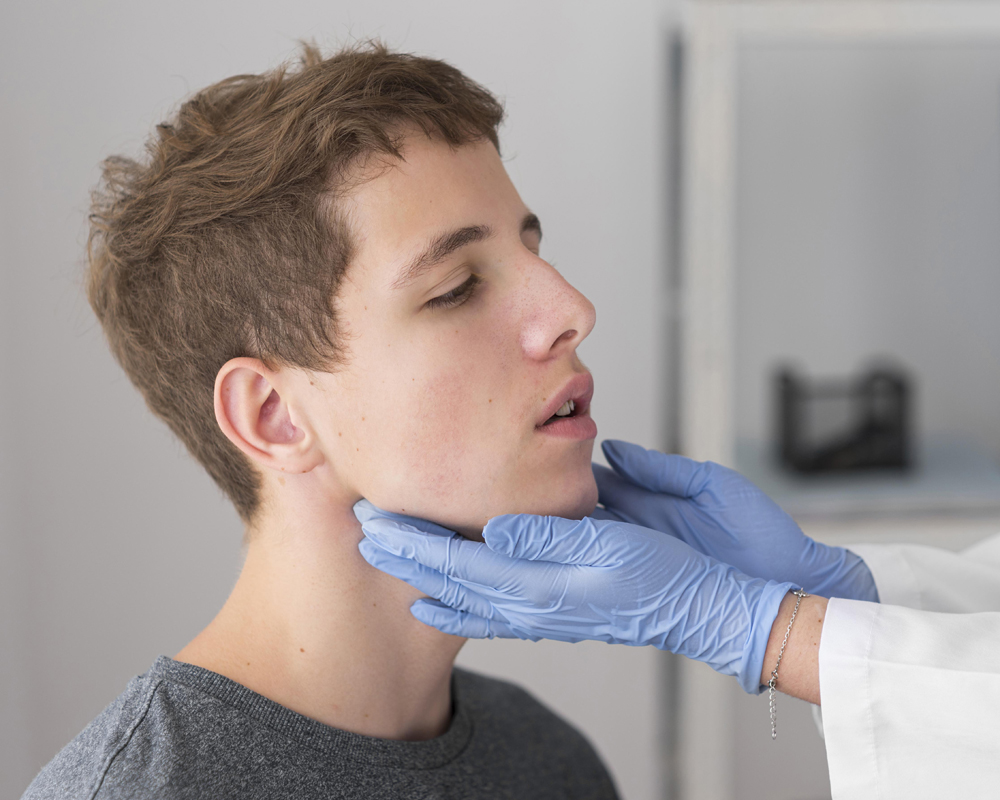
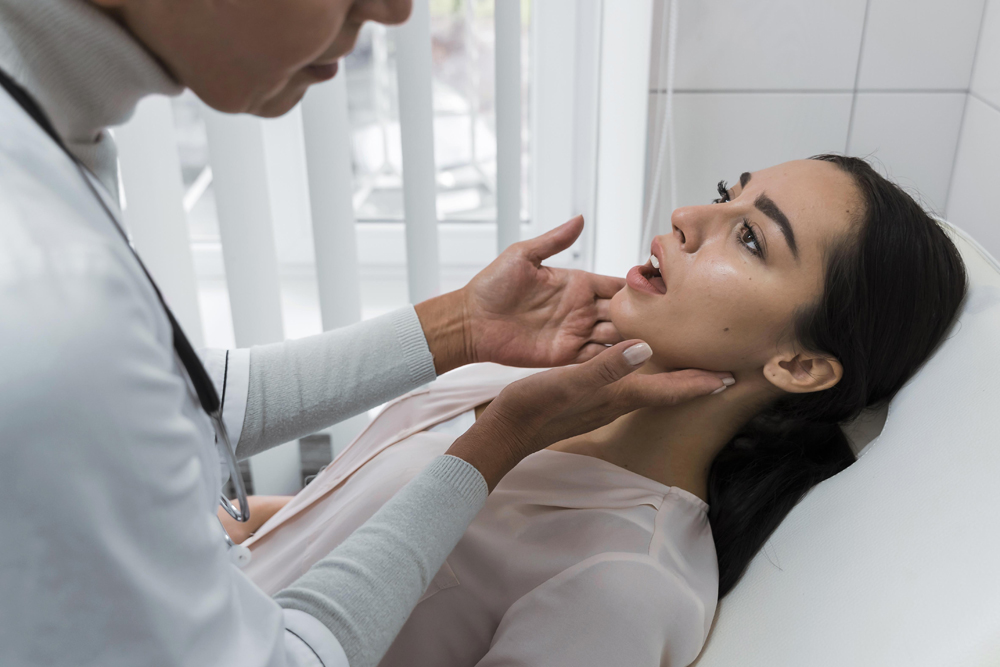
Your therapist evaluates jaw movement, neck mobility, posture, muscle tension, and functional movement to understand your symptoms. When appropriate, treatment may incorporate manual therapy, therapeutic exercises, mobility work, posture correction, and movement retraining to help restore more comfortable and balanced jaw function.
How Treatment Can Help
The goal isn't simply to make your jaw feel better for a few hours. It's to help you regain comfortable movement and return to the everyday activities that have become difficult or painful.
- Reduce discomfort while chewing
- Improve comfortable jaw movement
- Make opening your mouth easier
- Reduce jaw fatigue during meals
- Improve jaw mobility
- Address movement restrictions
- Support balanced jaw mechanics
- Make speaking and opening your mouth easier
- Reduce muscle tightness
- Relieve facial discomfort
- Address associated neck tension
- Promote more comfortable movement
- Improve posture and movement habits
- Identify factors contributing to jaw tension
- Develop healthier movement patterns
- Learn strategies to manage symptoms
- Return to normal daily activities
- Exercise with greater comfort
- Reduce the disruption caused by jaw symptoms
- Improve confidence in everyday movement
When to See Us
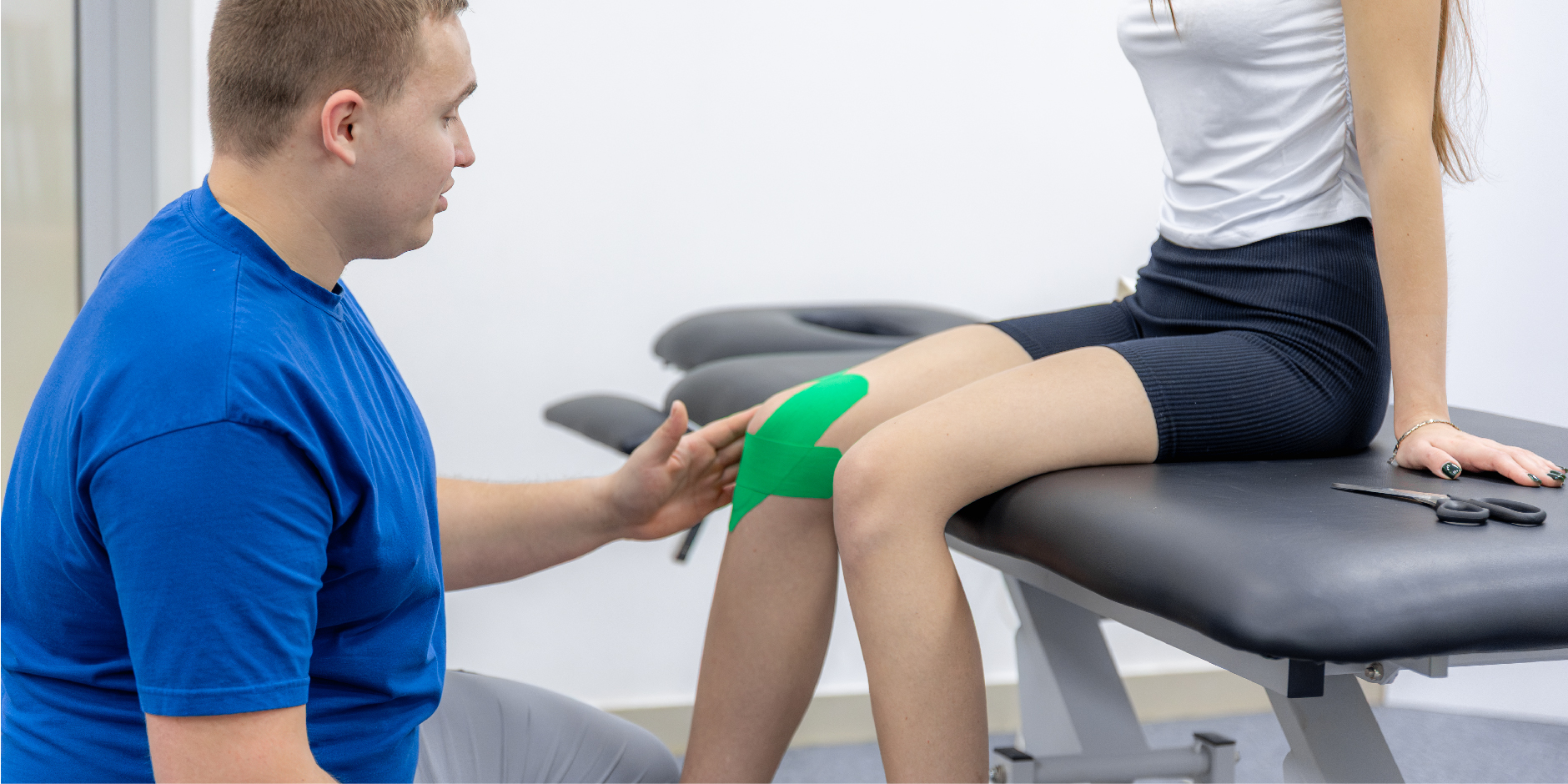
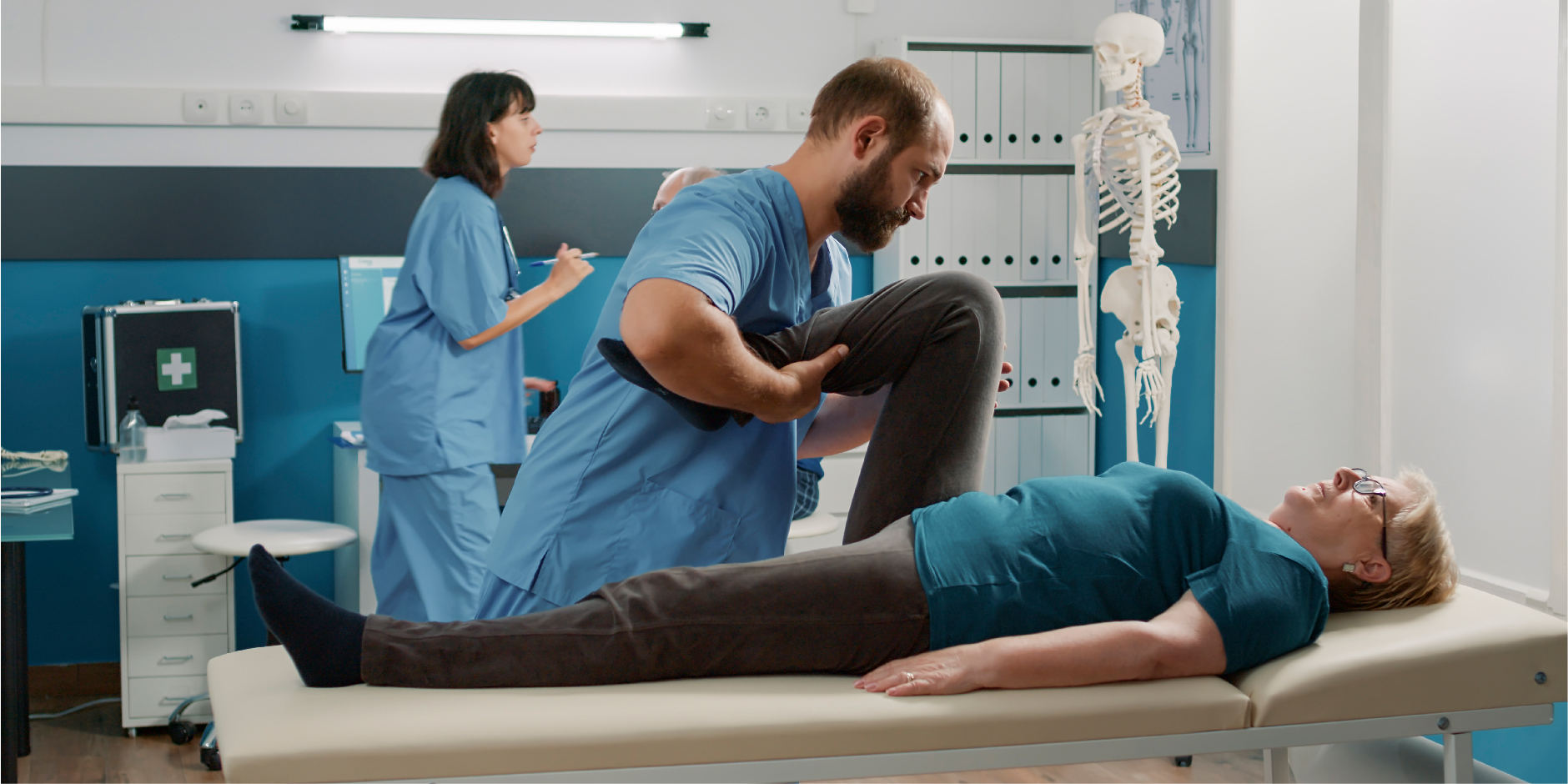
Manual therapy is a hands-on treatment approach used to reduce pain, improve mobility, and restore function by targeting the soft tissues of the musculoskeletal system, including muscles, ligaments, tendons, blood vessels, and nerves.

Persistent back or neck pain

Joint pain or stiffness

Muscle tightness or spasms

Sports injuries
Where is your
Pain ?



Our Services
Get personalized care for a variety of conditions.



Vestibular Rehabilitation

Why Unique Care
At Unique Care Clinic, we believe exceptional care starts with understanding each patient's unique needs. Our experienced therapists provide personalized one-on-one treatment using advanced rehabilitation techniques to help relieve pain, restore movement, and improve quality of life. With flexible scheduling, compassionate care, and a commitment to lasting results, we're here to support you every step of your recovery journey.